
The Value of Reliable Local Support for Rural Connectivity
Living and working in rural areas like Oxford County and its surrounding communities means facing unique challenges when it comes to communication and technology. Whether you run a farm, a small business, or manage a processing plant, dependable phone, internet, and TV services are essential. Over the years, I have seen firsthand how reliable local support can make a significant difference in keeping rural homes and businesses connected and thriving.
Why Reliable Local Support Matters in Rural Areas
In rural communities such as Woodstock, Stratford, and Tillsonburg, the landscape and distance from urban centers often create obstacles for technology and communication services. When you rely on phone and internet for daily operations, downtime can be costly and frustrating. This is where having reliable local support becomes invaluable.
Local support teams understand the specific needs and challenges of rural customers. They are familiar with the terrain, weather conditions, and infrastructure limitations that can affect service quality. Unlike distant call centers, local technicians can respond quickly to outages or technical issues, minimizing downtime and disruption.
For example, a farmer in New Hamburg who depends on internet-connected equipment for monitoring crops or livestock needs fast, effective help when something goes wrong. Waiting hours or days for assistance from a faraway provider is not an option. Local support ensures that help is just a phone call away, with technicians who can often arrive on-site promptly.

The Benefits of Wireless Over Fiber in Rural Communities
While fiber optic internet is often praised for its speed and reliability, it is not always the best fit for rural areas. The cost and logistics of laying fiber cables across vast farmland and sparsely populated regions can be prohibitive. This is where wireless technology shines.
Wireless internet offers several advantages for rural homes and businesses:
Faster deployment: Wireless networks can be set up quickly without the need for extensive digging or cable installation.
Flexibility: Wireless signals can cover large areas and reach remote locations where fiber cannot.
Cost-effectiveness: Lower infrastructure costs mean more affordable service options for rural customers.
Resilience: Wireless networks can be designed with redundancy to maintain uptime even during adverse weather.
For agricultural operations, wireless connectivity supports modern technology such as GPS-guided tractors, remote sensors, and automated irrigation systems. These tools improve efficiency and productivity but require a stable internet connection.
Small businesses like plumbing or HVAC services also benefit from wireless internet by enabling mobile communication, online scheduling, and quick access to customer information while on the road.
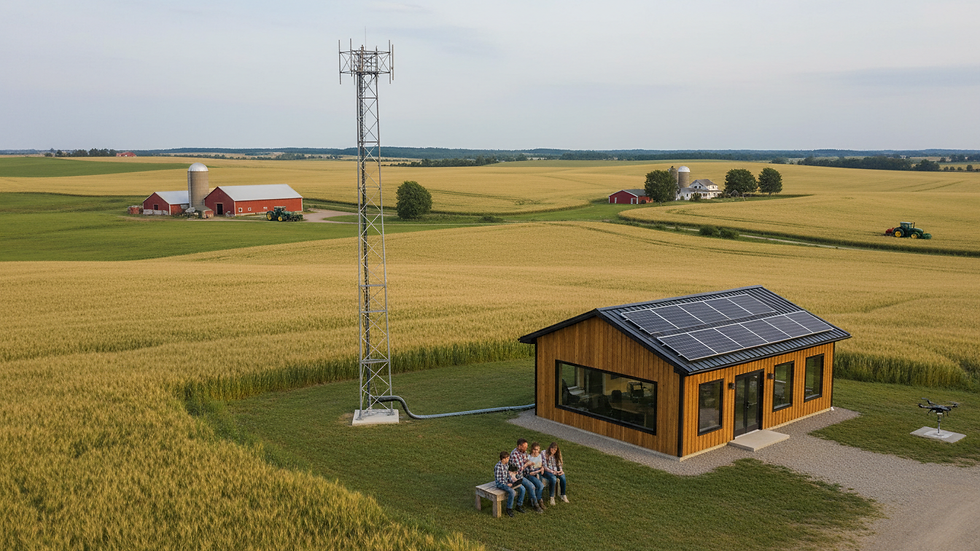
How Technology is Transforming Agriculture and Rural Businesses
The impact of technology on agriculture and rural enterprises cannot be overstated. From precision farming to real-time data analytics, modern tools are revolutionizing how farmers and businesses operate.
Here are some ways technology is making a difference:
Precision Agriculture: Using GPS and sensors, farmers can monitor soil conditions, crop health, and water usage with pinpoint accuracy. This reduces waste and increases yields.
Remote Monitoring: Livestock and equipment can be tracked remotely, allowing for timely interventions and maintenance.
Supply Chain Management: Processing plants and feed suppliers use digital systems to manage inventory, orders, and deliveries efficiently.
Customer Engagement: Small businesses leverage online platforms and social media to reach customers and provide better service.
All these advancements depend on consistent, high-quality connectivity. Without it, rural businesses risk falling behind in a competitive market.
Ensuring Phone Service Uptime in Rural Settings
Phone service remains a critical communication tool, especially in emergencies. For rural residents and businesses, reliable phone lines are a lifeline. However, maintaining uptime in areas with challenging geography and weather requires careful planning and support.
Here are some strategies to ensure phone service reliability:
Local maintenance teams: Quick response to outages and repairs reduces downtime.
Backup power systems: Generators and battery backups keep phone systems running during power failures.
Wireless phone options: Cellular-based phone services provide an alternative when landlines are disrupted.
Regular system checks: Preventative maintenance helps identify and fix issues before they cause outages.
By investing in these measures and partnering with providers who offer dependable local support, rural communities can maintain essential phone connectivity.
Building a Connected Future for Rural Oxford County
Bridging the digital divide in Oxford County and its neighboring areas is more than just installing technology. It requires a commitment to dependable service, quick problem resolution, and understanding the unique needs of rural customers.
As someone who has witnessed the transformation of rural connectivity, I believe that local customer support plays a crucial role in this journey. When support is nearby, knowledgeable, and responsive, it empowers farmers, small businesses, and families to embrace technology confidently.
If you are considering upgrading your phone, internet, or TV services, look for providers who prioritize local presence and wireless solutions tailored for rural environments. This approach ensures you get the best performance and support, helping your home or business stay connected and competitive.
Together, we can build a stronger, more connected rural community where technology enhances every aspect of life and work.


Comments