
Getting Help Through Local Customer Support
Living and working in rural areas like Oxford County and its surrounding communities means we often face unique challenges when it comes to technology and connectivity. Whether you run a small agricultural business, a feed processing plant, or a service-based company like plumbing or HVAC, having reliable phone, internet, and TV services is essential. Over the years, I’ve learned that getting help through local support can make a significant difference in keeping these services running smoothly.
In this post, I want to share some practical local support tips that can help you navigate technology issues, improve your connectivity, and understand why wireless solutions often outperform fiber in rural settings.
Why Local Support Tips Matter for Rural Connectivity
When you live in a rural area, the distance from urban centers can mean slower response times and less personalized service from big providers. That’s why local support tips are crucial. Local providers understand the specific needs of our communities and can offer tailored solutions.
For example, a farmer in Tavistock might need a phone system that works reliably during storms or power outages. A small business in Woodstock may require internet that supports multiple devices without lag. Local support teams are often more accessible and can provide faster, more effective assistance.
Here are some key reasons why local support is vital:
Faster response times: Local teams can often visit your site quickly.
Better understanding of local infrastructure: They know the terrain and common issues.
Personalized service: You’re not just a number; your needs are understood.
Support for wireless technology: Wireless often works better than fiber in rural areas.

Local Support Tips for Phone, Internet, and TV Services
Getting the most out of your connectivity starts with knowing how to work with your local provider. Here are some tips I’ve found helpful:
Keep your equipment updated
Old modems, routers, or phone handsets can cause service interruptions. Ask your local provider about the latest equipment compatible with their network.
Schedule regular maintenance checks
Just like farm equipment, your communication devices need regular checkups. Local technicians can inspect wiring, antennas, and other hardware to prevent issues.
Understand your service plan
Make sure your plan matches your usage. For example, if you run a processing plant with multiple connected devices, you may need a higher bandwidth plan.
Use wireless solutions when possible
Wireless internet often provides better uptime in rural areas because it doesn’t rely on underground cables that can be damaged by weather or farming activities.
Keep a backup communication method
In case of outages, having a secondary phone line or mobile hotspot can keep your business running.
Communicate clearly with support staff
When you call for help, provide detailed information about the problem, including when it started and any error messages.
By following these tips, you can reduce downtime and keep your business or home connected.
The Benefits of Wireless Over Fiber in Rural Areas
Many people assume fiber optic internet is the best option, but in rural settings, wireless technology often has distinct advantages. Here’s why I recommend considering wireless solutions:
Faster installation: Wireless doesn’t require digging trenches or laying cables, which can be costly and time-consuming in rural terrain.
Greater flexibility: Wireless can reach remote locations where fiber cables can’t.
Better uptime: Fiber cables can be damaged by weather, farming equipment, or animals. Wireless signals are less vulnerable to physical damage.
Cost-effective: Wireless infrastructure is often less expensive to maintain and upgrade.
For example, a feed processing plant in New Hamburg might find wireless internet more reliable during harvest season when heavy machinery can disrupt underground cables.
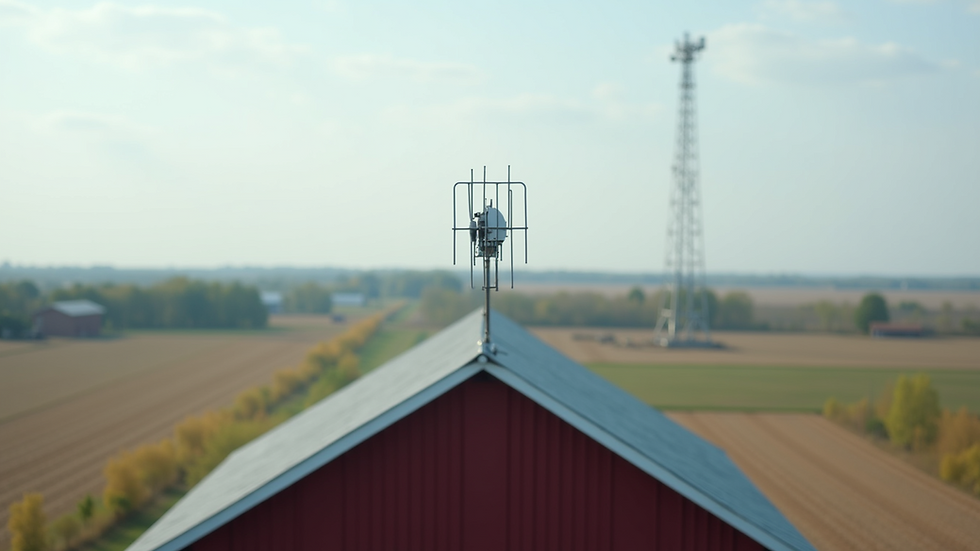
Wireless technology has evolved significantly, offering speeds and reliability that meet the demands of modern agriculture and rural businesses.
How Technology Impacts Modern Agriculture and Rural Businesses
Technology is transforming how we farm and run businesses in rural areas. From automated irrigation systems to real-time inventory tracking in feed plants, connectivity is the backbone of these innovations.
Here are some ways technology is making a difference:
Precision farming: GPS-guided tractors and drones help optimize planting and harvesting.
Remote monitoring: Sensors track soil moisture, weather, and equipment health.
Efficient communication: Reliable phone and internet services enable quick coordination with suppliers and customers.
Online marketing and sales: Small businesses can reach wider markets through websites and social media.
All these advancements depend on dependable connectivity. That’s why having access to quality local support is essential. When issues arise, you want a team that understands your business and can resolve problems quickly.
Ensuring Phone Service Uptime in Rural Areas
Phone service is often overlooked but remains critical, especially in emergencies. In rural areas, phone lines can be affected by weather, power outages, or infrastructure damage.
Here are some strategies to maintain phone service uptime:
Use wireless phone systems: These are less prone to physical damage.
Install backup power supplies: Battery backups or generators keep systems running during outages.
Regularly test your phone system: Make sure it works when you need it most.
Choose providers with strong local support: They can respond quickly to outages and repairs.
By prioritizing phone service uptime, you ensure your family and business stay connected when it matters most.
Taking Advantage of Local Customer Support
When you need help, reaching out to local customer support can save you time and frustration. Local teams are familiar with the challenges of rural connectivity and can offer solutions tailored to your needs.
Whether you’re troubleshooting internet issues, upgrading your phone system, or exploring wireless options, don’t hesitate to contact your local provider. Their expertise and quick response can keep your home or business running smoothly.
By embracing these local support tips and technologies, we can bridge the digital divide in Oxford County and surrounding areas, ensuring everyone has access to dependable, high-quality connectivity.
I hope these insights help you make the most of your technology and connectivity. Remember, reliable service is just a call away when you have the right local support.


Comments